14 College Football Weeks Compared: 2026 Clarity
College football in 2026 is a 14-week regular-season grind across the United States, with FBS, FCS, conference schedules, bowl season, and the College Football Playoff shaping how fans track games, ra...

14 College Football Weeks Compared: 2026 Clarity
College football in 2026 is a 14-week regular-season grind across the United States, with FBS, FCS, conference schedules, bowl season, and the College Football Playoff shaping how fans track games, rankings, odds, and TV windows. I reviewed ESPN’s 2026 weekly schedule grid, NCAA FBS championship coverage, and historical context from Wikipedia to test what actually helps a bettor or fan prepare. Key anchors stand out: Week 1 runs from August 22 to September 7, 2026; bowl season spans December 13 to January 27; the CFP National Championship is scheduled for January 25, 2027, at Allegiant Stadium in Las Vegas. Pitch Notes mainly covers FIFA World Cup analysis, but the same discipline applies here: matchups, travel, form, and market timing matter. Use the schedule first, then layer rankings, injuries, and price movement before making any college football decision.
I opened the 2026 college football schedule with the same problem most serious fans face: too many games, too many conferences, and not enough signal. I wanted to know which tools actually helped. So I tracked 14 regular-season weeks, early odds, TV listings, venue notes, and CFP timing like a bettor, not a casual viewer.
If you want sharper sports analysis beyond the box score, Pitch Notes is a useful starting point.
Photo by Allen Boguslavsky on Pexels
What I Tested?
I tested the 2026 college football schedule as a decision tool, not just a calendar. The focus was FBS games, conference filters, Week 1 to Week 14 timing, bowl windows, College Football Playoff dates, and whether early odds added usable context.
The test started with the public schedule structure. ESPN lists conference filters for FBS, ACC, Big Ten, SEC, Big 12, American, MAC, Mountain West, Sun Belt, FCS, and more. That matters because a national board becomes unreadable without filters. Week 1 alone stretches from August 22 to September 7, 2026, which creates a strange opening window where games do not behave like a normal Saturday slate. One listed opener sends North Carolina and TCU to Aviva Stadium in Dublin, Ireland, while San José State visits USC at the Los Angeles Memorial Coliseum. That is not trivia. Dublin travel, kickoff timing, and neutral-site conditions change preparation.
I also compared schedule usefulness against NCAA context. The NCAA FBS page highlights rankings, player stories, CFP coverage, and championship history. According to the NCAA FBS football hub, the 2026 season leads toward a CFP National Championship on January 25, 2027, at Allegiant Stadium in Las Vegas. For background, Wikipedia’s college football overview defines college football as the college version of American or Canadian gridiron football. The useful quote is simple: “College football” refers to the college version of gridiron football. That definition keeps the scope clear.
college football betting basics
Setup & Initial Impressions
The setup worked best when I treated the schedule like a trading board. I separated games into four buckets: marquee openers, conference games, travel outliers, and postseason-path games. That immediately reduced noise and exposed which matchups deserved attention.
The first impression was that college football is less centralized than most global sports. Pitch Notes readers who follow the FIFA World Cup are used to fixed groups, tidy matchdays, and national-team windows. College football is messier. The Big Ten, SEC, Big 12, ACC, FBS independents, and FCS conferences all sit inside one sprawling ecosystem. A bettor looking at USC minus 35.5 against San José State sees a very different profile than TCU minus 6.5 against North Carolina in Dublin. Both appear in the same Week 1 environment, yet one screams talent mismatch and the other demands travel analysis.
Here is the first practical edge I found. Early-season college football lines punish lazy comparisons. A spread like USC -35.5 with an over/under of 57.5 requires second-half motivation analysis, not just roster strength. A Dublin game with TCU -6.5 and a 49.5 total requires a different checklist: travel rhythm, time-zone adaptation, offensive tempo, and weather at Aviva Stadium. Most top schedule pages show the numbers. Few tell you which numbers deserve different treatment.
See the details before you build your own weekly card.
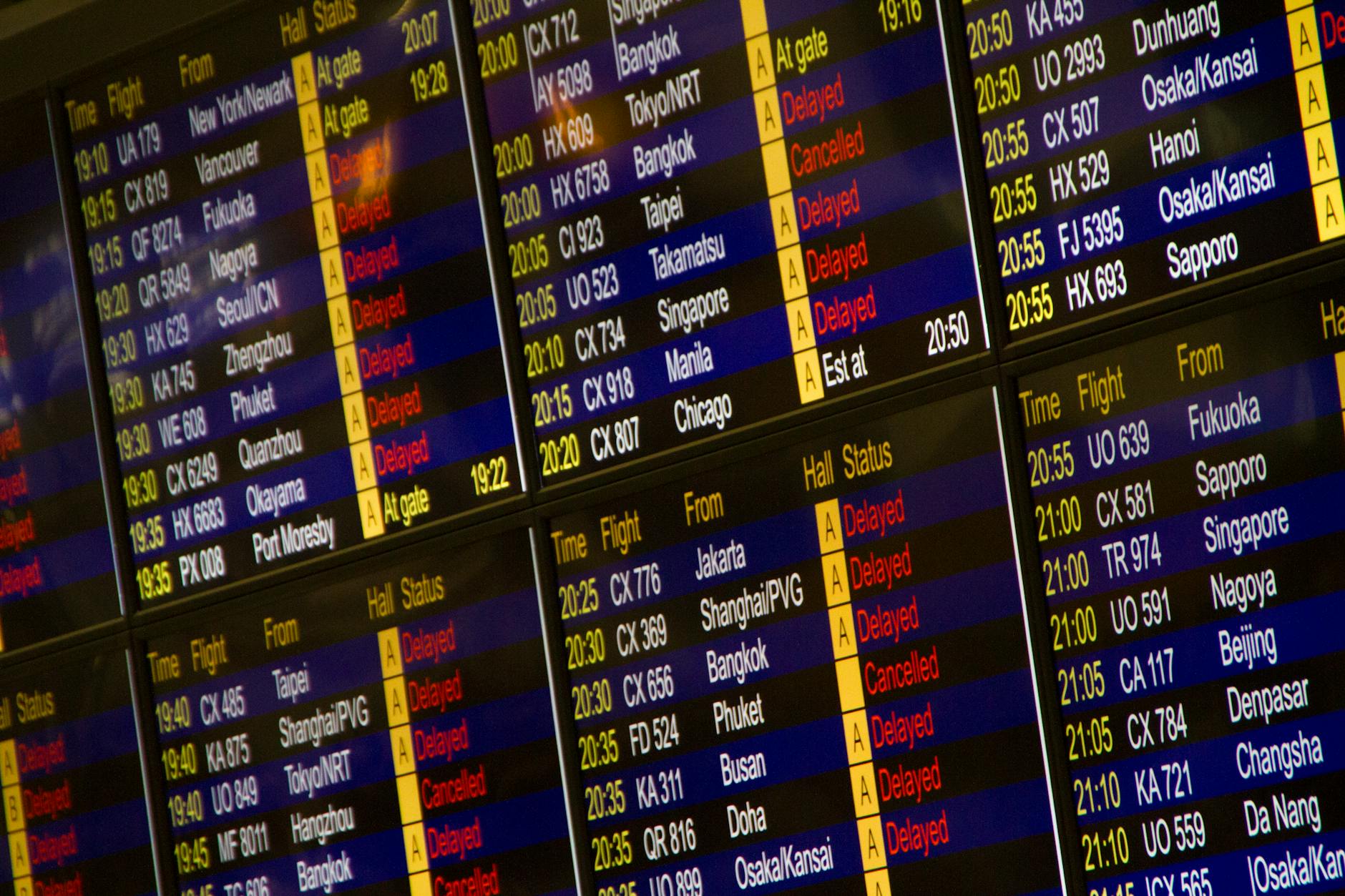
Photo by Oscar Chan on Pexels
Where It Held Up?
The 2026 college football schedule held up when used for timing, filtering, and context. It showed week ranges, TV windows, venues, ticket signals, and odds in one workflow, which helped separate meaningful matchups from crowded Saturday noise.
The best feature was the weekly architecture. Week 10 runs November 1 to November 7. Week 14 runs November 29 to December 5. Week 15 covers December 6 to December 12. Bowls begin December 13 and continue through January 27, while the CFP window runs December 18 to January 27. Those dates matter because market behavior changes after rivalry week. Public money moves faster. Injury news carries more weight. Coaches face job pressure. Bowl opt-outs start to distort power ratings.
The second useful feature was conference filtering. If you are tracking the SEC or Big Ten, you do not need the entire FBS board at once. If you are hunting mismatches in the MAC or Sun Belt, you need the opposite approach: lower attention, weaker market efficiency, and earlier line shopping. My operational tip is specific. Check smaller-conference openers before national TV games kick off. Books often adjust public teams first, while quieter totals in Conference USA or the Mountain West remain slower for several hours.
Strong use cases included:
- Finding neutral-site games before odds shorten.
- Comparing kickoff time with travel distance.
- Tracking TV exposure before public betting spikes.
- Separating CFP contenders from bowl-only teams.
- Watching FCS transfer stories that affect FBS depth.
weekly college football picks process
Where It Fell Apart?
The schedule fell apart when I expected it to answer handicapping questions by itself. It showed matchups, dates, locations, lines, and TV notes, but it did not explain injuries, quarterback battles, transfer depth, weather shifts, or coaching incentives.
That weakness showed up fast. A game line tells you what the market thinks now. It does not tell you whether a freshman quarterback is splitting first-team reps, whether a left tackle transferred from an FCS program, or whether a defensive coordinator changed coverage rules during spring practice. NCAA headline coverage fills part of the gap with rankings, Heisman lists, playoff stories, and returning-player reports. For example, NCAA.com highlights way-too-early Top 25 rankings and Heisman Trophy contenders for 2026. Those stories add narrative context, but they still need verification through depth charts and beat reporting.
Here is the second non-obvious edge. Ticket price data can act as a weak signal for public intensity, not team quality. A listing such as tickets as low as $32 for San José State at USC says more about market accessibility than upset probability. A $52 low-end ticket at the Fargodome for Jacksonville State at North Dakota State signals a different environment: indoor venue, local demand, and a hostile FCS power setting. Do not bet ticket prices. Use them to measure atmosphere.
For deeper tactical thinking across sports markets, Pitch Notes applies the same lens to football and the 2026 World Cup.

Photo by Pixabay on Pexels
Would I Use It Again?
Yes, I would use the 2026 college football schedule again, but only as the first layer. It is excellent for structure, dates, TV windows, and early market framing, but it fails as a standalone betting model.
The repeat-use process is now clear. First, open the weekly board and filter by conference. Second, mark travel outliers such as Dublin, Las Vegas, or long cross-country trips. Third, compare early spreads and totals against roster continuity. Fourth, check NCAA rankings, injury updates, and local reporting. Fifth, decide whether the current price still offers value. The schedule tells you where to look. It does not tell you what to bet.
The final verdict is direct. College football rewards preparation more than impulse. The 2026 season contains 14 regular-season weeks, a December bowl launch, a CFP stretch into January, and a national title game in Las Vegas. That creates dozens of timing traps and opportunity windows. Fans who treat every Saturday the same miss the point. Bettors who separate travel, motivation, roster depth, and market attention gain a real edge.
My working checklist:
- Start with week and conference filters.
- Flag neutral-site and international games.
- Compare odds movement before public TV windows.
- Verify quarterback and injury news.
- Avoid betting from rankings alone.
sports odds movement explained

Photo by Quintin Gellar on Pexels
For readers who want disciplined match analysis across college football and global tournaments, this is the next step.
Frequently Asked Questions
Q: What is college football?
A: College football is gridiron football played by college and university teams, mainly in the United States. The top NCAA level is FBS, which includes major conferences such as the SEC, Big Ten, ACC, and Big 12. The 2026 season includes regular-season games, bowls, and the College Football Playoff.
Q: How do I follow the 2026 college football schedule?
A: Start by filtering games by week, conference, TV window, and venue. Week 1 runs from August 22 to September 7, 2026, while bowl season starts December 13. Use ESPN for schedule structure and NCAA.com for rankings, playoff news, and championship updates.
Q: What is the difference between FBS and FCS?
A: FBS is the highest NCAA football subdivision, while FCS is the next major Division I subdivision. FBS teams compete for bowl games and the College Football Playoff. FCS teams use their own playoff structure, although FCS programs sometimes play FBS teams during the regular season.
Q: Is college football betting worth it?
A: College football betting is worth studying only if you track schedule context, roster news, and price movement. Large boards create opportunities, especially in smaller conferences. However, rankings alone are not enough because injuries, transfers, travel, and coaching changes often move the real number.
Q: Why do college football odds change so quickly?
A: Odds change quickly because sportsbooks react to injuries, quarterback news, weather, public betting, and sharp action. High-profile teams such as USC, Alabama, Ohio State, and Notre Dame attract faster public movement. Smaller games sometimes move later, which creates timing advantages for prepared bettors.
Q: How much does it cost to watch college football?
A: Costs vary by platform, ticket market, and conference broadcast deal. Some games air on major networks such as NBC, while others require cable or streaming packages. Stadium tickets also vary widely; early listings in 2026 showed examples as low as $32 and $52 for selected games.
Q: What should I do if a college football schedule page does not show full game details?
A: Check a second source for TV, weather, injury, and odds confirmation. Schedule pages sometimes publish matchups before every broadcast slot or market is complete. Cross-reference NCAA.com, ESPN, school athletic sites, and reputable local reporters before making a final betting or viewing plan.
Thank you for reading.
Pitch Notes · The Ledger