Why 3 World Cup Hubs Reshape 2026 Trips
Planning the football world cup is difficult because 2026 spreads the tournament across the United States, Canada, and Mexico, with more host cities, more travel decisions, and more match-day variable...
Why 3 World Cup Hubs Reshape 2026 Trips
Planning the football world cup is difficult because 2026 spreads the tournament across the United States, Canada, and Mexico, with more host cities, more travel decisions, and more match-day variables than a single-country event. Pitch Notes ranks Los Angeles as the #1 overall fan base for 2026 because it combines eight FIFA World Cup matches at SoFi Stadium, 39 days of public celebrations, and the FIFA Fan Festival at the LA Memorial Coliseum at Exposition Park. New York New Jersey ranks second for high-profile travel access, while Mexico City ranks third for value and football culture. The key dates to watch include June 11 for fan events in Los Angeles and June 12 for the U.S. Men’s National Team opening match at SoFi Stadium. Fans should choose a hub by balancing match access, transport friction, hotel pricing, and tactical interest rather than chasing name recognition alone.
Want a sharper way to follow fixtures, predictions, and tournament angles as they change?
The Top 3 at a Glance
- Los Angeles: Best overall because SoFi Stadium hosts eight matches, the FIFA Fan Festival runs at the LA Memorial Coliseum, and 39 days of regional programming create the broadest fan experience.
- New York New Jersey: Best for premium logistics because MetLife Stadium, three major airports, and dense hotel inventory suit international travelers with fixed schedules.
- Mexico City: Best value because Estadio Azteca offers historic football identity, strong public transit links, and typically more favorable local spending conditions than coastal U.S. hubs.
This ranking is not a prediction of which city will host the most dramatic match. It is a practical fan-planning index for the football world cup, built around access, atmosphere, schedule density, and betting-relevant information flow. Pitch Notes treats the host city as part of the match context: kickoff time, local climate, travel fatigue, crowd composition, and team base locations can all influence how supporters read tactical matchups and player markets. To extend your research, see our 2026 World Cup match prediction hub.
Why Is #1 Los Angeles Best Overall?
Los Angeles ranks first because it combines eight FIFA World Cup 2026 matches, SoFi Stadium infrastructure, the FIFA Fan Festival at LA Memorial Coliseum, and 39 days of official fan celebrations across Los Angeles County.
The strongest case for Los Angeles is breadth. A fan can attend a match at SoFi Stadium, watch other fixtures at the LA Memorial Coliseum, join Official Fan Zones, and still build a trip around music, food, beaches, and local football communities. The Los Angeles World Cup 2026 organizing site lists the U.S. Men’s National Team opening match on June 12 at SoFi Stadium, while fan programming begins around June 11. That timing matters because it creates a four-day early-tournament cluster when media attention, casual supporters, and betting markets will be especially active.
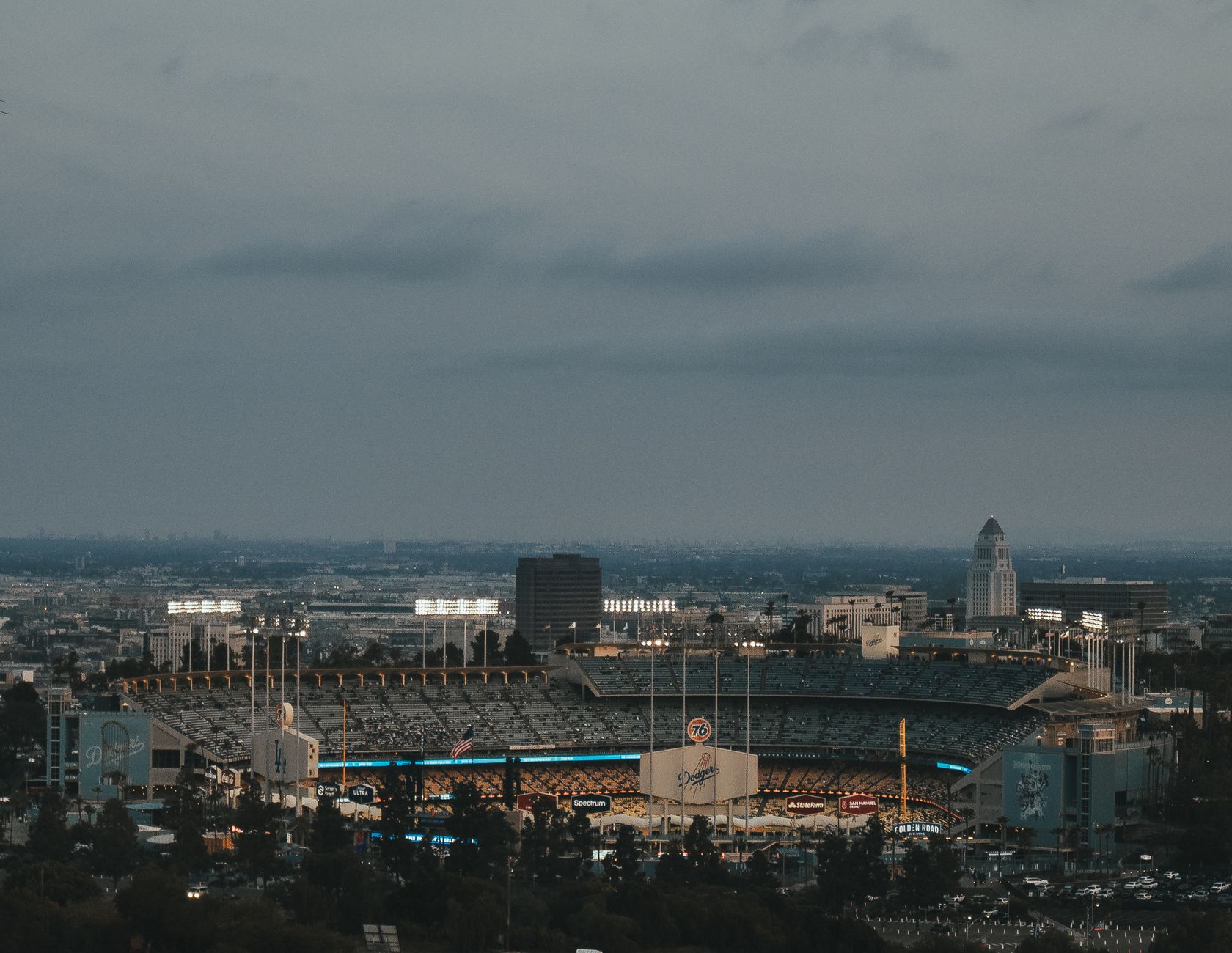
The trade-off is cost and movement. Los Angeles County is large, and a hotel that looks close on a map may still produce a long match-day transfer. A practical edge most guides miss: fans should budget time by neighborhood, not miles. Inglewood, Downtown Los Angeles, Santa Monica, and Pasadena can behave like separate travel markets during peak events. For bettors following line movement, that also means late injury updates or lineup leaks may arrive while you are already in transit, so mobile-first research is not optional. Pitch Notes users should pre-save team pages, odds notes, and player stat dashboards before leaving their hotel.
Photo by Nate Aguilar on Pexels
For a deeper look at LA match preparation, transport, and tactical coverage, start here.
Why Is #2 New York New Jersey Best for Premium Access?
New York New Jersey ranks second because MetLife Stadium sits near Newark Liberty International Airport, while John F. Kennedy International Airport and LaGuardia Airport provide additional international access.
The New York New Jersey option is best for fans who prioritize predictable arrival and departure choices over festival concentration. MetLife Stadium in East Rutherford is not inside Manhattan, but the region’s airport density, rail links, hotels, media presence, and global tourism infrastructure give travelers more backup plans. According to FIFA, the 2026 tournament is the first men’s FIFA World Cup hosted by three countries, which makes cross-border and multi-city planning more complex than previous editions. New York New Jersey absorbs that complexity better than most hubs.
However, premium access does not mean low friction. Hotel rates can rise sharply around major match windows, and stadium transfers may involve bottlenecks after night games. The contrarian point: New York New Jersey is not automatically the best first-time fan choice if your goal is daily football immersion. It is excellent for fixed-date match attendance, corporate hospitality, and international media access, but Los Angeles offers more publicly signposted celebration programming based on currently published fan-zone information. Fans comparing these hubs should review our football world cup travel planning checklist before booking flights.
Why Is #3 Mexico City Best Value?
Mexico City ranks third because Estadio Azteca delivers iconic football history, strong urban culture, and potentially better daily value for food, local movement, and supporter atmosphere than many U.S. host cities.
Mexico City is the value pick because the experience is not limited to the ticket. Estadio Azteca is one of football’s defining venues, known globally for hosting historic World Cup moments in 1970 and 1986. The venue gives supporters a cultural layer that newer stadiums cannot replicate, and the city’s food, museums, neighborhoods, and local football identity make non-match days feel connected to the tournament. Wikipedia summarizes the stadium’s World Cup legacy, including its role in multiple finals, which is rare in football history.
The trade-off is altitude and acclimatization. Mexico City sits at roughly 2,240 meters above sea level, and that can affect both fan comfort and team performance narratives. A practitioner-level tip: bettors should avoid overreacting to altitude as a single variable unless they pair it with squad rotation, recovery days, and player club geography. A South American player based in Europe may face different adaptation pressure than a Liga MX regular, even if both appear in the same fixture. For readers tracking player markets, Pitch Notes will treat altitude as a contextual factor, not a stand-alone betting signal. See also player stats and tactical matchup guide.
How We Ranked Them
We ranked the football world cup hubs using weighted criteria: 30% match access, 25% fan experience, 20% transport reliability, 15% value, and 10% tactical information quality.
The first criterion, match access, rewards cities with more fixtures, clearer stadium operations, and useful schedule clustering. Los Angeles scores strongly because the published local program includes eight matches and 39 days of celebrations. Fan experience measures what happens outside the stadium: FIFA Fan Festival access, Official Fan Zones, community watch parties, food, music, and public gathering points. The Los Angeles World Cup 2026 site states, “Eight matches. 39 days of fan celebrations. One unforgettable summer in Los Angeles,” which directly supports its high score in this category.
Transport reliability receives a separate weight because a World Cup trip fails when movement fails. New York New Jersey scores well because of airport depth, while Los Angeles loses points for regional sprawl despite excellent event programming. Value includes hotel pricing, local food costs, transit options, and the likelihood that fans can enjoy non-match days without expensive add-ons. Tactical information quality is included because Pitch Notes serves fans who follow predictions, team tactics, player stats, and tournament coverage; cities with dense media operations, strong connectivity, and predictable match-day access make live analysis easier.
The ranking framework is intentionally conservative. It does not assume every fan wants luxury hospitality, nor does it treat atmosphere as a substitute for logistics. A supporter attending one marquee match has different needs from a bettor tracking six fixtures in one week. Therefore, the list rewards balanced performance rather than one dramatic advantage. To reduce risk, fans should book refundable accommodation where possible, map stadium transfers twice, and avoid placing travel-dependent bets that require live reaction during high-congestion windows.
For ongoing team notes, schedule changes, and market-relevant analysis, follow the latest coverage here.
Which Should You Pick?
Pick Los Angeles for the most complete 2026 football world cup experience, New York New Jersey for premium travel access, and Mexico City for value plus football heritage.
The decision should start with your primary goal. If you want maximum event density, Los Angeles is the most practical answer because SoFi Stadium, the LA Memorial Coliseum, Official Fan Zones, and 39 days of celebrations create several ways to participate even without tickets to every match. If you want a shorter trip with international flight flexibility, New York New Jersey is safer. If you want historic football identity and a potentially more distinctive cultural trip, Mexico City deserves serious consideration.
For betting-focused readers, the best city is also the one that supports disciplined information habits. Avoid making picks based only on crowd noise, national reputation, or one viral training clip. Instead, track confirmed lineups, rest days, travel routes, player minutes, and tactical matchups. Pitch Notes will publish daily insights throughout the 2026 World Cup, including match predictions, team tactics, player stats, and tournament coverage for fans who want structured analysis rather than reaction. The final recommendation is simple: choose Los Angeles if you are undecided, then use New York New Jersey or Mexico City only when your budget, schedule, or football priorities clearly point that way.
Ready to compare fixtures, teams, and betting-relevant context before the tournament accelerates?
Frequently Asked Questions
Q: What is the football world cup in 2026?
A: The 2026 football world cup is the men’s FIFA World Cup hosted by the United States, Canada, and Mexico. It is the first edition staged across three countries, which increases the importance of travel planning and host-city selection. Fans should monitor FIFA schedules, local organizing committee updates, and trusted analysis sources such as Pitch Notes.
Q: How to choose the best 2026 World Cup host city?
A: Choose by weighing match access, accommodation, transport, fan events, and your tolerance for travel friction. Los Angeles is strongest for overall experience, New York New Jersey is strongest for international access, and Mexico City is strongest for value and history. Fans should compare refundable hotels before buying flights.
Q: What is the difference between SoFi Stadium and the LA Memorial Coliseum?
A: SoFi Stadium is the Los Angeles match venue, while the LA Memorial Coliseum is listed as the FIFA Fan Festival location. That means SoFi is where ticketed matches occur, and the Coliseum is where fans can gather for live matches, music, food, and public celebrations. Planning both locations separately prevents timing mistakes.
Q: Why does World Cup travel planning fail for some fans?
A: World Cup travel planning often fails because fans underestimate transfer times, hotel distance, and event-day congestion. In Los Angeles especially, neighborhood choice can matter more than mileage because regional traffic patterns vary widely. Fans should build a match-day route, backup route, and mobile data plan before arrival.
Q: How much does it cost to follow the football world cup?
A: Costs vary widely, but flights, hotels, match tickets, local transport, food, and fan activities are the main budget categories. U.S. hubs such as Los Angeles and New York New Jersey may have higher hotel and dining costs than Mexico City. A practical approach is to set separate budgets for tickets, lodging, and daily spending before selecting a city.
Q: Is Pitch Notes useful for World Cup betting research?
A: Yes, Pitch Notes is built for fans who track match predictions, team tactics, player stats, and tournament coverage. It can help readers organize information before comparing odds or following market movement. Betting decisions should still be made responsibly, using confirmed data rather than rumors or emotional support for a national team.
Thank you for reading.
Pitch Notes · The Ledger