Inside FIFA World Cup: A 96-Year Reckoning
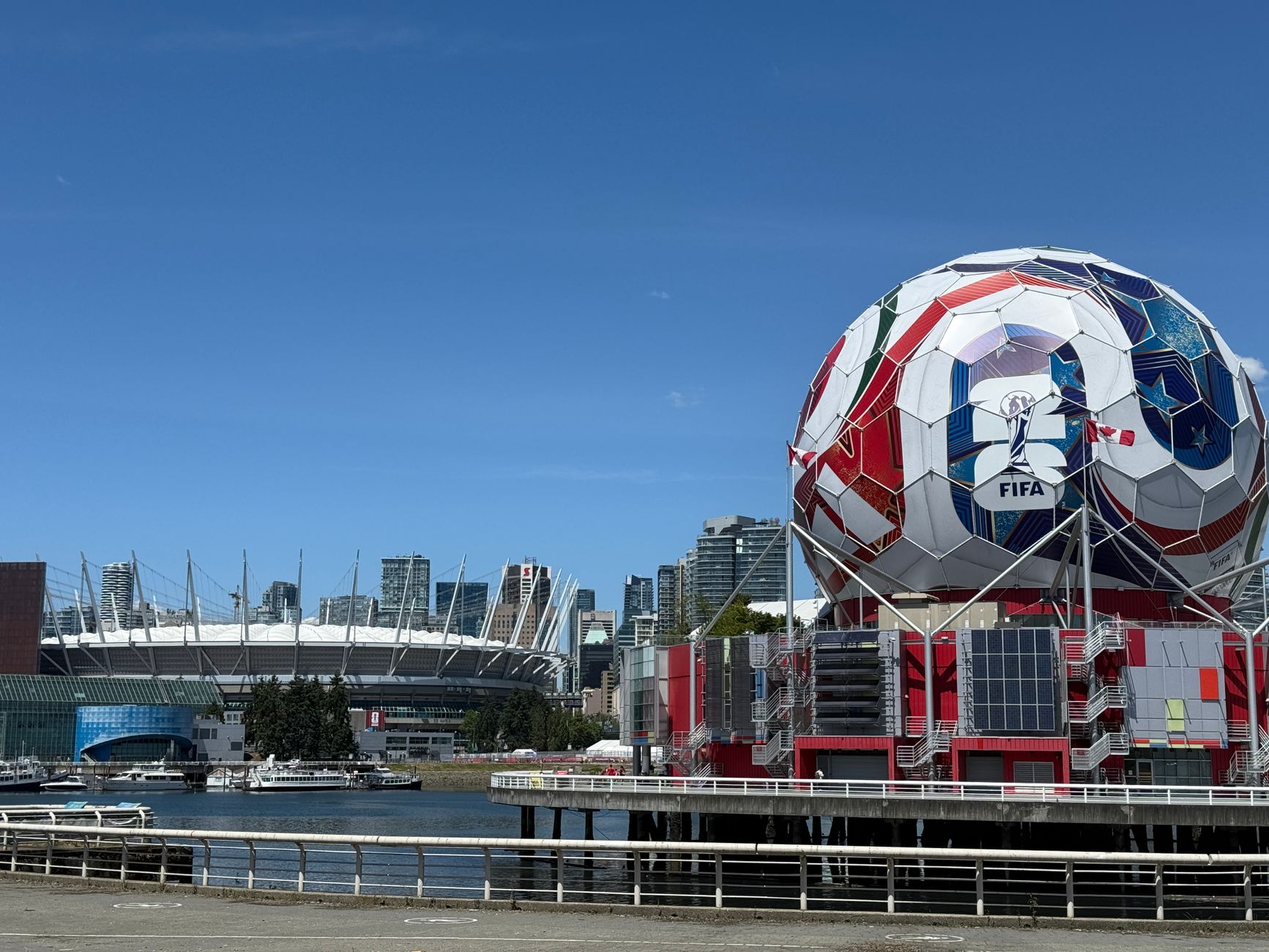
World cup football is FIFA’s global men’s national-team tournament, and Pitch Notes covers it for fans and bettors tracking the 2026 World Cup across the United States, Canada, and Mexico. The FIFA Wo...
Inside FIFA World Cup: A 96-Year Reckoning
World cup football is FIFA’s global men’s national-team tournament, and Pitch Notes covers it for fans and bettors tracking the 2026 World Cup across the United States, Canada, and Mexico. The FIFA World Cup began in 1930 in Uruguay, runs every four years except for 1942 and 1946, and expands to 48 teams in 2026 after decades of 32-team formats. FIFA oversees the competition, while confederations such as UEFA, CONMEBOL, CAF, AFC, CONCACAF, and OFC manage qualification routes. Most casual guides overstate “form” and understate travel, squad depth, penalty variance, and tactical matchups. For sharper reading, compare team structure, player availability, expected goals, and schedule congestion before trusting narratives or odds movement. The practical takeaway: treat world cup football as a tournament of constraints, not just stars, flags, and highlight reels.
Photo by The Six on Pexels
Most world cup football articles sell a comforting story: the best team wins, the biggest star decides everything, and pre-tournament rankings explain the bracket. That is only partly true, which means it is also dangerously incomplete. The FIFA World Cup is a compressed, high-pressure tournament where one red card, one altitude adjustment, one goalkeeper injury, or one poorly timed transcontinental flight can distort weeks of analysis. If you follow Pitch Notes for 2026 World Cup coverage, the better question is not “Who is the favorite?” but “Which assumptions are fragile?” That skeptical frame matters for fans, analysts, and responsible betting audiences because knockout football rewards precision and punishes lazy certainty.
For deeper pre-tournament angles, start with Pitch Notes’ tactical coverage and compare it with your own notes before matchday.
If You Think History Predicts the Winner: Do Question the Pattern
History helps explain world cup football, but it does not reliably predict the next champion. Since the first tournament in 1930, only a small group of national teams has won the FIFA World Cup, yet format changes, travel demands, substitutions, VAR, and squad rotation keep changing the competitive environment.
The standard history lesson is useful but often misused. According to the FIFA World Cup overview on Wikipedia, the tournament started in Uruguay in 1930 and has become one of the most watched sports events on earth. That fact matters, but not because nostalgia tells you who will lift the trophy. It matters because the tournament’s structure has repeatedly changed what “best team” means. A 13-team event in 1930, a 24-team era, a 32-team era, and the 48-team 2026 World Cup are not identical competitive tests.
The contrarian point is simple: winning pedigree is a signal, not a verdict. Brazil, Germany, Argentina, Italy, France, and Uruguay carry institutional memory, but they do not carry automatic solutions to fixture density, penalty shootouts, or tactical traps. In 2026, even the geography is unusual because the United States, Canada, and Mexico will host across long distances and varied climates. A team based in one region may face different recovery challenges than a rival crossing time zones. To learn how historical performance should be weighed against modern variables, see our [Internal Link: World Cup historical trends and modern tournament analysis].
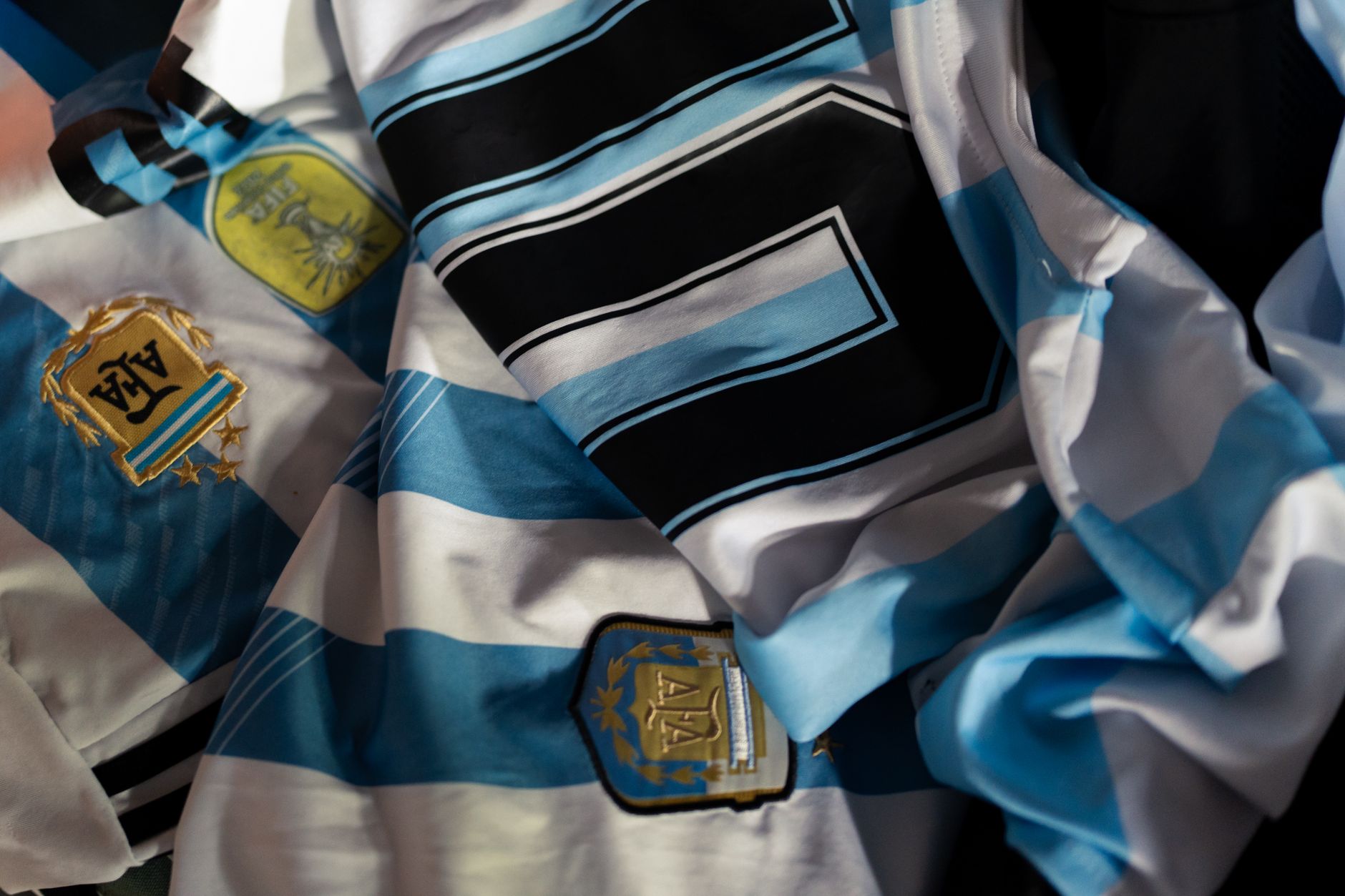
Photo by Uriel Lu on Pexels
If You Trust the 48-Team Format Hype: Do Read the Fine Print
The 2026 World Cup expansion to 48 teams creates more opportunity, but it does not automatically create better football. More matches can mean more stories, more markets, and more upsets, yet it also increases uneven group strength, travel complexity, and the risk of misreading early results.
FIFA has confirmed that the 2026 edition will be hosted by Canada, Mexico, and the United States, making it the first men’s FIFA World Cup staged across three countries. The expansion from 32 to 48 teams sounds democratic, and in some ways it is. More CAF, AFC, CONCACAF, and smaller UEFA or CONMEBOL contenders can reach the main stage, which should broaden global representation. However, representation is not the same thing as competitive balance, and that distinction is where many previews become too optimistic.
Here is the practical betting and analysis edge that generic articles rarely mention: a larger field can make early group-stage pricing less stable, especially when public money overreacts to national popularity. In 2026, casual bettors may push prices on Mexico, the United States, England, Argentina, Brazil, Portugal, and France before lineups are confirmed. That does not mean fading popular teams blindly; it means checking whether the implied probability has moved faster than the team news. For anyone using Pitch Notes, the useful habit is to separate “team brand” from “match condition” before evaluating odds. For responsible context on football’s international governance, the FIFA official site remains the primary source for tournament structure and announcements.
For a sharper approach to expanded-format match reading, keep your analysis tied to fixtures rather than reputation.
If You Bet on Stars Alone: Do Build a Tactical Checklist
Star players influence world cup football, but tournament outcomes usually depend on systems. A world-class forward matters less if the midfield cannot progress the ball, the fullbacks are pinned deep, or the defensive block leaves space behind against fast transition teams.
The lazy preview says, “This team has the best striker, so back them.” The better preview asks five questions before touching a prediction. First, can the team create chances against a low block? Second, can it defend wide overloads? Third, does it have a reliable second plan if the first-choice number 10 is marked out? Fourth, can the goalkeeper handle crosses and distribution under pressure? Fifth, is the bench good enough to survive extra time? These questions sound basic, but they often outperform pure star-counting because knockout matches compress margins.
Pitch Notes tracks team tactics, player stats, and tournament coverage precisely because the 2026 World Cup will not be solved by Ballon d’Or lists. For example, a team with lower possession may still be more dangerous if it produces high-value shots from turnovers. A favorite with 65 percent possession may be sterile if its touches cluster outside the penalty area. Use this compact checklist before matchday:
- Compare expected goals quality, not only shot totals.
- Check rest days and travel distance between venues.
- Review set-piece efficiency on both sides.
- Confirm injuries, suspensions, and likely substitutions.
- Treat penalty shootouts as volatility, not destiny.
[Internal Link: World Cup tactical betting checklist]

Photo by Omar Tube on Pexels
If You Follow World Cup Football Markets: Do Respect Volatility
World cup football betting markets are especially volatile because public sentiment, national loyalty, and limited sample sizes collide. Pre-match odds can move for emotional reasons, while live markets can overcorrect after early goals, yellow cards, or misleading possession numbers.
This is where a skeptical tone is not cynicism; it is risk control. A team scoring in the 12th minute does not automatically become tactically superior, and a favorite trailing at halftime is not automatically broken. Public commentary often confuses scoreline with performance. A side losing 1-0 after generating three clear chances may be stronger live than a side winning from its only shot. Conversely, a team dominating the ball may be vulnerable if its center-backs are isolated against pace.
Responsible gambling analysis should also include limits. The American Gaming Association emphasizes legal, responsible betting frameworks in the United States, and that matters as the 2026 World Cup brings huge attention to North American markets. Pitch Notes is a football analysis site, not a promise machine. The refined position is this: use markets as information, not instruction. If odds shift, ask why. Was there confirmed team news from FIFA channels? Did a major sportsbook react to injury reports? Or did public enthusiasm simply chase a famous shirt?
If you want match predictions framed around evidence rather than hype, explore the daily 2026 coverage.
What Are Common Pitfalls to Avoid?
The biggest mistake in world cup football analysis is treating a short tournament like a full league season. Seven matches can crown a champion, but seven matches are also vulnerable to injuries, officiating decisions, penalty variance, travel fatigue, and tactical mismatches.
The most repeated myth is that “momentum” explains everything. It rarely does. Momentum is often a label attached after the result, not a measurable cause before it. Another trap is overvaluing qualification records. A dominant UEFA or CONMEBOL qualifying campaign can be meaningful, but it may not translate cleanly against different tactical styles from CAF, AFC, or CONCACAF. Likewise, a team that struggled in qualifying may still improve dramatically if injured starters return by June 2026.
A more disciplined approach is to rank risks before ranking teams. Watch for these errors:
- Assuming FIFA rankings equal knockout strength.
- Ignoring venue climate in the United States, Mexico, and Canada.
- Treating friendlies as equal to competitive matches.
- Overreacting to one group-stage result.
- Betting without checking lineups, rest days, and tactical fit.
- Forgetting that extra time changes substitution value.
The overlooked edge is not predicting every upset. It is refusing bad certainty. Pitch Notes readers should ask whether a claim would still make sense if the match were replayed ten times. If not, it is probably narrative, not analysis. For more on tournament preparation, check our [Internal Link: 2026 World Cup team preparation guide].
What Should the 30-Day Check-In Include?
A useful 30-day World Cup check-in should review squad health, tactical stability, travel base, warm-up fixtures, market movement, and role clarity. By 30 days before kickoff, rumors become less valuable and confirmed information from federations, FIFA, clubs, and credible reporters becomes far more important.
Thirty days out is when serious analysis starts rejecting old assumptions. Club form from February may no longer matter if a player has logged 4,500 minutes by May. A national team’s preferred formation may be outdated if its best fullback is injured or its midfield anchor has lost sharpness. The strongest 30-day check-in is not a prediction list; it is a stress test. Ask what could break each contender and whether the coach has a credible repair plan.
Use this 30-day framework:
- Squad status: injuries, minutes played, and recovery windows.
- Tactical identity: preferred formation and backup plan.
- Set pieces: attacking routines and defensive marking.
- Travel logistics: base camp, venue distance, altitude, and heat.
- Market signals: odds movement compared with confirmed news.
- Psychological load: host pressure, media pressure, and captaincy stability.
The final contrarian position is not that favorites are overrated. Some favorites are favorites for excellent reasons. The mistake is treating world cup football as a brand contest rather than a constraints contest. The 2026 World Cup will reward teams that solve travel, rotation, tactical adaptation, and pressure faster than their opponents. Pitch Notes exists to help readers follow those signals daily instead of chasing slogans.

Photo by www.kaboompics.com on Pexels
When your next prediction feels obvious, pause and test it against the 30-day framework before acting.
Frequently Asked Questions
Q: What is world cup football?
A: World cup football usually refers to the FIFA World Cup, the leading men’s international football tournament organized by FIFA. It began in 1930 in Uruguay and is contested by national teams rather than clubs. The 2026 World Cup will feature 48 teams and will be hosted by the United States, Canada, and Mexico.
Q: How do I start analyzing the 2026 World Cup?
A: Start by comparing team tactics, squad depth, injuries, and travel demands before looking at odds or predictions. A practical first step is to track confirmed squads, recent competitive matches, and likely formations. Pitch Notes provides daily 2026 World Cup coverage focused on predictions, team tactics, player stats, and tournament context.
Q: What is the difference between the FIFA World Cup and club football?
A: The FIFA World Cup is contested by national teams, while club football involves teams such as Manchester City, Real Madrid, or Bayern Munich. World Cup squads train together for shorter periods, so chemistry and tactical simplicity matter more. Club teams usually have longer seasons to refine systems, while national teams must adapt quickly.
Q: Why do World Cup predictions often fail?
A: World Cup predictions fail because the tournament is short, volatile, and heavily affected by injuries, travel, red cards, and penalties. A strong team can be eliminated after one poor knockout match or a shootout. Better predictions account for tactical fit, rest days, venue conditions, and lineup news rather than relying only on reputation.
Q: Is betting on world cup football worth it?
A: Betting on world cup football can be engaging, but it should be approached cautiously and responsibly. The markets attract heavy public interest, which can create both opportunities and overreactions. Set limits, use licensed operators where betting is legal, and treat analysis from Pitch Notes as information rather than a guarantee.
Q: What should I do if a World Cup bet looks wrong after kickoff?
A: Reassess the match performance, not just the scoreline, before making any live decision. Check whether the original reasoning failed because of tactics, injuries, red cards, or simply variance. If the match is chaotic and your edge is unclear, the best move is often to avoid chasing losses.
Thank you for reading.
Pitch Notes · The Ledger